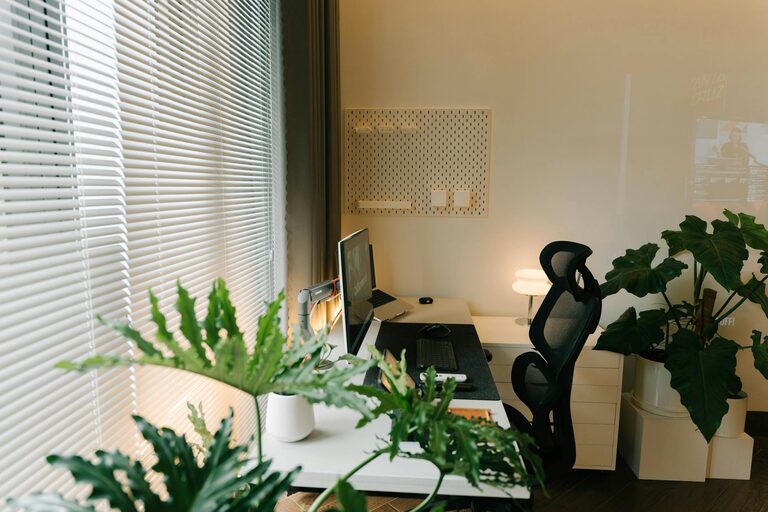
Creating a dedicated home office space can make a significant difference in your work-from-home experience. A well-organized and thoughtfully designed workspace promotes focus, efficiency, and comfort throughout the day. Whether you have a small corner of a room or a separate office, these essential tips will help you set up a productive environment tailored to your needs.
Choose the Right Location
The first step in setting up a productive home office is selecting the ideal location. Consider these factors when deciding where to work:
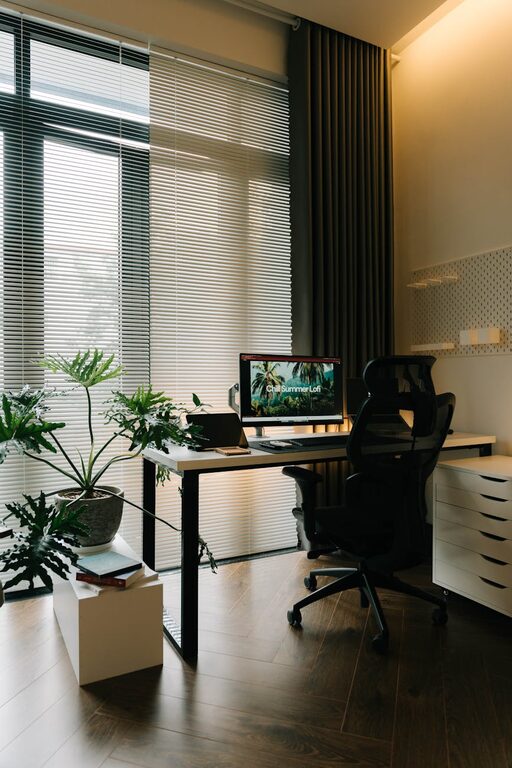
– Natural light: Position your desk near a window to benefit from natural daylight, which can improve mood and energy.
– Quiet environment: Choose a spot away from household noise and distractions to maintain concentration.
– Space availability: Make sure there’s enough room for your desk, chair, and necessary equipment.
– Privacy: If possible, select a separate room or corner with a door to enhance privacy during meetings or focused work time.
Invest in Comfortable and Ergonomic Furniture
Your office furniture plays a vital role in maintaining comfort and preventing fatigue. Here’s what to consider:
– Ergonomic chair: Select a chair with adjustable height, lumbar support, and comfortable padding to support good posture.
– Desk: Choose a desk at the right height to keep your arms at a 90-degree angle when typing. Standing desks or adjustable options can also help vary your posture.
– Monitor placement: Position your screen at eye level and about an arm’s length away to reduce strain on your eyes and neck.
Organize Your Workspace Efficiently
An organized workspace leads to better focus and less stress. Use these strategies:
– Declutter regularly: Clear unnecessary items from your desk to maintain a clean and inviting space.
– Storage solutions: Use shelves, filing cabinets, or desk organizers to keep documents and supplies neatly stored.
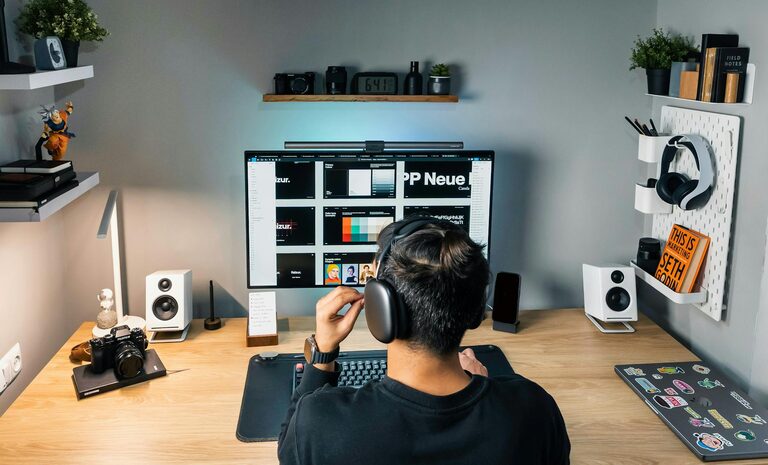
– Cable management: Use clips or cable covers to tidy up cords and prevent tangling.
– Essential tools within reach: Keep frequently used items like pens, notebooks, and chargers handy for easy access.
Optimize Lighting for Comfort and Productivity
Proper lighting reduces eye strain and keeps you alert. Consider these lighting tips:
– Natural lighting: Maximize daylight by positioning your desk accordingly but avoid screen glare.
– Task lighting: Use adjustable desk lamps to focus light where you need it most.
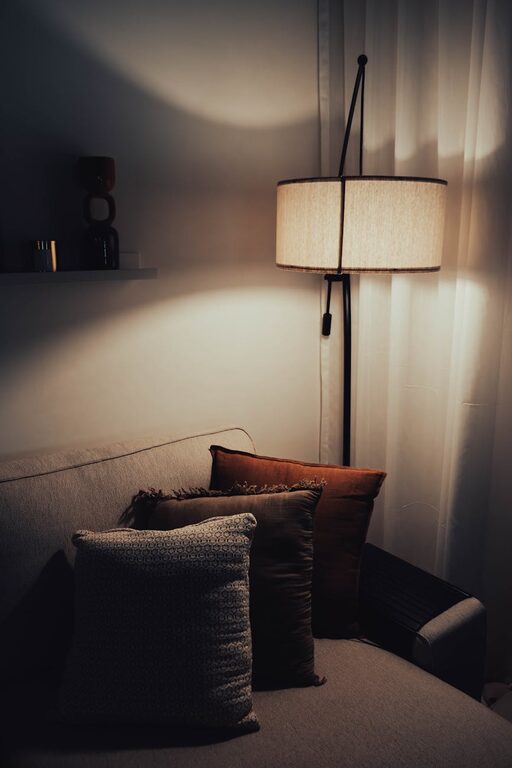
– Ambient lighting: Soften overhead lighting with lamps or diffusers to create a balanced environment.
Personalize Your Space Thoughtfully
Adding personal touches can increase your enjoyment and motivation but avoid clutter. Some ideas include:
– Plants: Indoor plants not only brighten your space but can improve air quality and reduce stress.
– Artwork or inspirational quotes: Decorate with items that inspire and energize you.
– Color scheme: Choose calming or uplifting colors for your walls or accessories to suit your work style.
Establish Boundaries and Routines
To maintain productivity, especially when working from home, boundaries and routines are key:
– Set work hours: Define clear start and end times for your workday.
– Use your workspace only for work: This helps your brain associate the area with productivity.
– Take breaks: Schedule short breaks to stretch and rest your eyes.
– Communicate with household members: Let others know your schedule to minimize interruptions.
Equip Your Workflow with the Right Technology
Technology can enhance productivity when used effectively. Make sure to have:
– Reliable internet connection: Essential for video calls, research, and cloud-based tools.
– Quality peripherals: Invest in a good keyboard, mouse, and headset to improve comfort and communication.
– Backup solutions: Use external drives or cloud services to keep your data safe.
– Software tools: Utilize productivity apps, calendars, and task managers to stay organized.
Maintain Cleanliness and Air Quality
A clean and fresh environment helps you feel good and stay focused:
– Regular cleaning: Wipe down surfaces and dust electronics to prevent buildup.
– Air circulation: Open windows when possible or use an air purifier to maintain fresh air.
– Avoid food clutter: Keep snacks and meals away from your desk to limit crumbs and spills.
Final Thoughts
Setting up a productive home office is about creating a comfortable and functional space tailored to your personal and professional needs. By carefully considering location, furniture, organization, lighting, and routines, you can build an environment where you can focus and work efficiently every day. Remember, your workspace should evolve as your needs do—feel free to adjust and update it over time for continued productivity and wellbeing.
About the Author