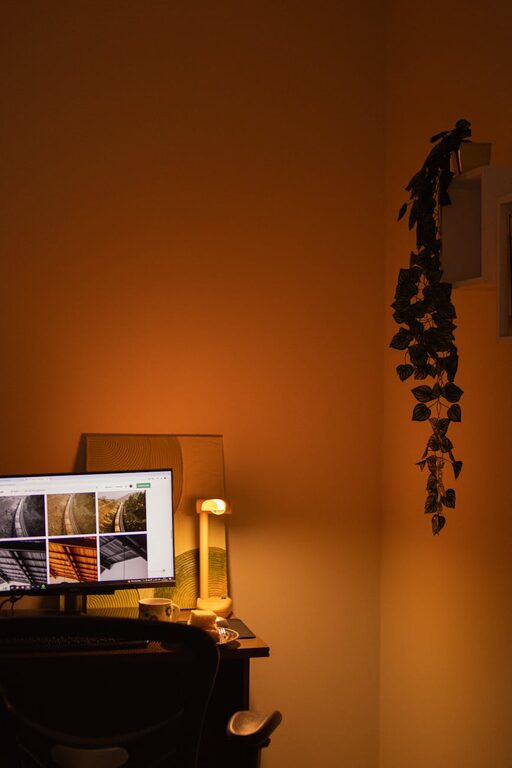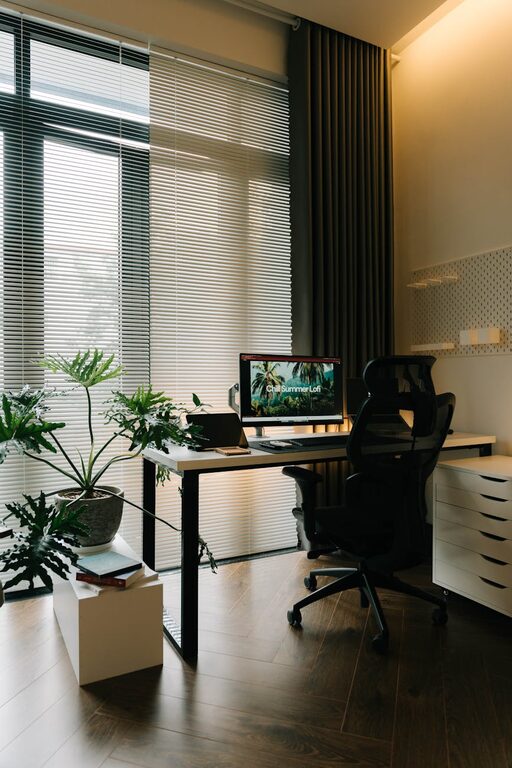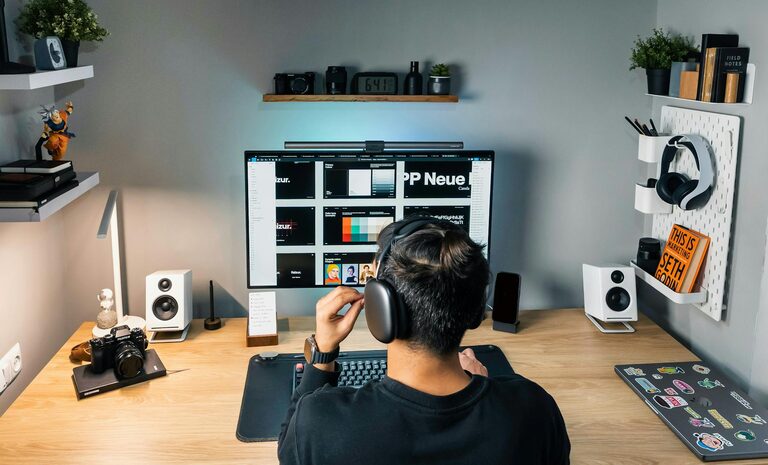

Creating a cozy and inviting home workspace is essential for anyone who spends a significant amount of time working from home. A comfortable environment not only enhances productivity but also promotes well-being and focus. Whether you have a dedicated room or a small corner in your living space, setting up a workspace that feels welcoming and efficient can make a big difference in your daily routine.
In this post, we’ll explore practical tips on how to design a home workspace that combines comfort, organization, and style. Let’s get started!
Why a Cozy Workspace Matters
Before diving into the tips, it’s important to understand why creating a cozy workspace matters. When your workspace feels inviting, you’re more likely to:
– Stay motivated throughout the day
– Reduce stress and distractions
– Improve your focus and work habits
– Enjoy your work environment
Now, let’s look at how you can achieve this atmosphere.
1. Choose the Right Location
Finding the ideal spot for your workspace is the first step. Here’s what to consider:
– Natural light: Position your desk near a window to benefit from natural light. This helps improve mood and energy.
– Low traffic area: Select a quiet corner to minimize interruptions during work hours.
– Space utilization: Even a small nook can be transformed into a functional workspace with the right setup.
If space is limited, consider a fold-away desk or a wall-mounted work surface to maximize room efficiency.
2. Invest in Ergonomic Furniture
Comfort is key when designing a workspace. Ergonomic furniture supports your body and prevents strain from long hours of sitting.
– Ergonomic chair: Choose a chair with good lumbar support and adjustable features for height and tilt.
– Appropriate desk height: Make sure your desk allows your arms to rest comfortably at a 90-degree angle while typing.
– Footrest: If your feet don’t comfortably reach the floor, a footrest can improve posture.
Ergonomic furniture might require an investment but pays off in improved comfort and health.
3. Personalize Your Space
Making your workspace feel inviting involves adding personal touches that inspire and motivate you.
– Artwork or photos: Display images that bring joy or creativity.
– Plants: Incorporate greenery; even a small succulent can brighten your desk. Plants improve air quality and create a calming atmosphere.
– Comfort items: Consider a cozy throw blanket, cushions, or a small rug under your desk.
Personal items make your space uniquely yours and boost positive energy.
4. Optimize Lighting
Proper lighting prevents eye strain and creates a warm ambiance.
– Layer your lighting: Combine overhead lights with task lighting like desk lamps.
– Adjustable task lamps: These direct light exactly where needed for reading or detailed work.
– Warm light bulbs: Use bulbs with a warm color temperature (2700–3000K) for a cozy effect rather than harsh white light.
Adjust your lighting setup to suit your needs at different times of day.
5. Organize Effectively
Clutter can hinder focus and make a space feel chaotic. Adopt organization strategies to keep your workspace tidy.
– Storage solutions: Use shelves, drawers, or baskets to store supplies out of sight.
– Desk organizers: Small trays or holders keep pens, papers, and gadgets orderly.
– Cable management: Employ clips or sleeves to manage cords neatly and avoid tangles.
A clean workspace enhances concentration and helps maintain a professional environment.
6. Incorporate Calming Colors
Color influences mood and productivity. Choose a color palette that promotes calm and focus.
– Soft neutrals: Off-white, beige, or light gray create a soothing backdrop.
– Pastel accents: Light blues, greens, or lavenders can add gentle color without distraction.
– Avoid overly bright colors: Intense reds or yellows may feel overstimulating for a workspace.
You can introduce color through paint, accessories, or even your choice of office supplies.
7. Maintain Good Air Quality
Fresh air can help you stay alert and comfortable.
– Ventilation: Open windows when possible to circulate air.
– Air purifiers: Consider a small air purifier if your space lacks airflow.
– Plants again: Besides aesthetics, plants improve indoor air by filtering toxins.
Good air quality supports health and cognitive function.
8. Set Boundaries and Routines
Your workspace should be a place where you can focus, but also respect balance between work and personal life.
– Define work hours: Set a schedule to start and end your workday.
– Use physical cues: Closing a door or using a room divider helps signal work mode.
– Keep work separate: Avoid eating or lounging in your workspace to maintain boundaries.
Establishing clear routines creates an inviting zone dedicated to task completion.
Conclusion
Creating a cozy and inviting home workspace isn’t just about aesthetics; it’s about building a functional and comfortable environment that supports your work habits and well-being. By choosing the right location, investing in ergonomic furniture, personalizing your area, and staying organized, you can transform any space into a productive sanctuary. Remember to pay attention to lighting, air quality, and maintaining boundaries to make your home workspace a place you look forward to every day.
Try implementing these tips one at a time and see how small changes can lead to a big impact on your work-from-home experience!
About the Author