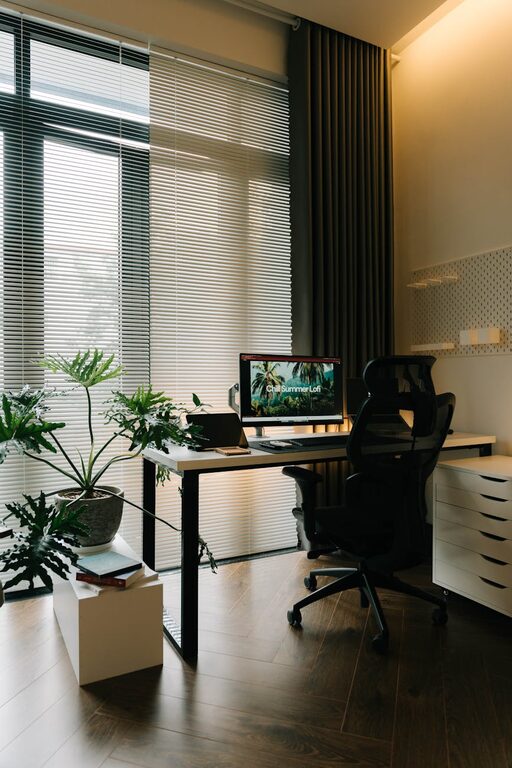
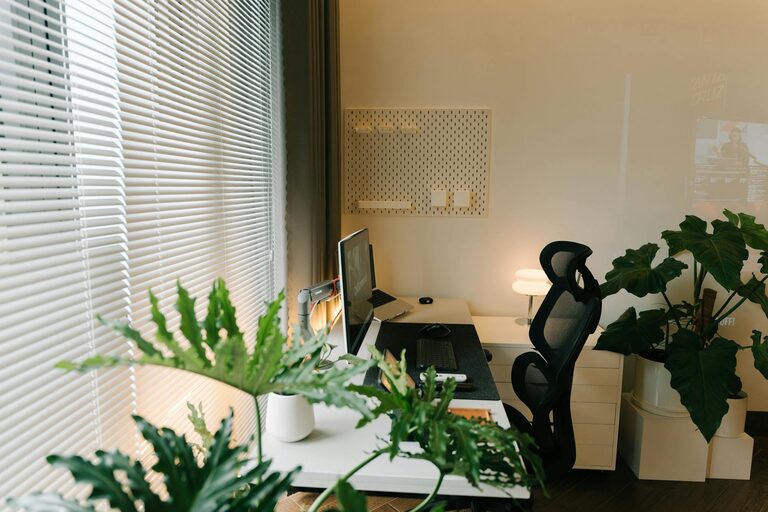
Creating a home workspace that is both sustainable and organized can transform the way you work, improve focus, and reduce your environmental impact. Whether you’re working remotely full-time or need a quiet corner for occasional tasks, a thoughtfully designed workspace can enhance your productivity and well-being.
In this post, we’ll walk through practical tips for making your home office a green, clutter-free zone that inspires creativity and efficiency.
Why Focus on Sustainability and Organization?
A sustainable workspace uses resources wisely and minimizes waste, while an organized setup keeps everything you need within easy reach. Together, these qualities make your work environment more comfortable and can help reduce stress.
Improving your workspace’s sustainability also contributes to broader environmental well-being by lowering energy use and reducing single-use items. Organization saves time and frustration by helping you find what you need quickly.
1. Choose Eco-Friendly Furniture and Materials
When selecting desks, chairs, and storage units, look for options made from sustainable materials:
– Reclaimed Wood: Furniture crafted from reclaimed or recycled wood is both sturdy and environmentally responsible.
– Bamboo: A fast-growing renewable resource, bamboo is a great choice for desks or shelving.
– Low-VOC Paints and Finishes: Choose products that emit fewer volatile organic compounds to improve indoor air quality.
– Secondhand and Vintage Finds: Buying used furniture reduces waste and often adds unique character to your space.
Investing in ergonomic furniture that supports good posture is also crucial, promoting comfort throughout long workdays.
2. Maximize Natural Light and Use Energy-Efficient Lighting
Natural light not only saves electricity but also helps maintain your circadian rhythm and mood.
– Position your desk near a window to make the most of daylight.
– Use light-colored walls or decorations to reflect natural light throughout the room.
– For artificial lighting, opt for LED bulbs — they use less energy and last longer than traditional bulbs.
– Consider a desk lamp with adjustable brightness for focused work without straining your eyes.
3. Minimize Clutter with Smart Storage Solutions
Keeping your workspace tidy supports better concentration and a calming atmosphere.
– Use drawer organizers or desktop trays to separate office supplies.
– Incorporate vertical storage like shelves or wall-mounted organizers to save floor space.
– Use labeled bins or boxes to keep papers and cables stored neatly.
– Regularly declutter by sorting through documents and supplies and removing items you no longer need.
4. Reduce Paper Usage
Cutting down on paper not only declutters your space but also saves trees.
– Go digital whenever possible: use note-taking apps, cloud storage, and e-billing.
– Print only when necessary, and use both sides of the paper if you must.
– Recycle paper scraps and set up a dedicated recycle bin nearby.
5. Incorporate Plants and Natural Elements
Adding greenery can enhance air quality and create a relaxing environment.
– Choose low-maintenance plants like succulents or pothos that thrive indoors.
– Place plants near your workspace or on shelves for a splash of nature.
– Use natural materials like stone coasters or wooden desk accessories to complement an eco-friendly theme.
6. Utilize Cable Management Techniques
Messy cables can create visual clutter and even pose hazards.
– Use cable clips, ties, or sleeves to bundle cords neatly.
– Label cables to identify them easily.
– Consider wireless peripherals when possible to minimize cords.
7. Adopt Daily and Weekly Organization Habits
Maintaining order requires a consistent routine.
– Spend five minutes at the end of each day tidying your desk.
– Schedule a weekly review to file papers, restock supplies, and plan ahead.
– Make it a habit to put things back in their place immediately after use.
8. Choose Green Office Supplies
Selecting sustainable supplies helps reduce your workspace’s environmental footprint.
– Use refillable pens and mechanical pencils rather than disposable ones.
– Opt for recycled paper, notebooks, and sticky notes.
– Invest in reusable water bottles and coffee cups to avoid single-use plastics.
– Buy non-toxic, biodegradable cleaning products for your workspace.
Conclusion
Setting up a sustainable and organized home workspace is a rewarding project that benefits your productivity, health, and the planet. By choosing eco-friendly materials, managing clutter, minimizing waste, and creating a pleasant environment, you can enjoy a workspace that supports your work and lifestyle goals.
Take small steps today and gradually improve your workspace to make it both efficient and earth-friendly. Your mind — and the environment — will thank you!
About the Author